


Welcome to the Cybersecurity Center at Mitchell Community College — a regional hub for innovation, education, and workforce development in cybersecurity. As technology continues to shape every industry, the need for skilled professionals to protect digital assets has never been greater. That’s where we come in.
Our center is committed to equipping students with the knowledge, tools, and experiences needed to thrive in the fast-paced world of cybersecurity. Whether you’re pursuing a degree, exploring a career change, or seeking to upskill, we offer flexible pathways and expert instruction to help you succeed.
- Deliver industry-aligned cybersecurity degree and certificate programs
- Provide access to cutting-edge labs and simulations
- Connect students with certifications, internships, and employers
- Host competitions, clubs, and community outreach
- Align with national standards, including the NICE Framework and CAE-Cybersecurity criteria
Mitchell Community College’s mission is to deliver equitable access to affordable, high-quality learning experiences and services that lead to social and economic mobility for students. Our strategic plan emphasizes Teaching and Learning, Achieving Economic Mobility, and Thriving Partnerships. In support of our mission and strategic plan, Mitchell works to expand career pathways, strengthen industry engagement, and ensure that students have access to high-demand, high-wage fields like cybersecurity.
Get Started
We invite you to explore our programs, meet our faculty, and discover how you can become part of the growing field of cybersecurity. Whether you’re a student, educator, employer, or community partner, there’s a place for you here.
Explore Our Cybersecurity Degrees & Certificates
The Cybersecurity Program at Mitchell Community College offers a dynamic, career-ready curriculum that equips students with the essential knowledge and hands-on skills needed in today’s rapidly evolving digital landscape. Our focus is on building the next generation of cybersecurity professionals who are technically skilled, ethically grounded, and workforce-ready.
We offer flexible academic pathways to support diverse student needs, including a full associate degree and short-term certificate options.
- Associate in Applied Science (AAS) in Information Technology Cyber Security
A comprehensive two-year degree that covers network security, risk management, digital forensics, ethical hacking, and cyber defense techniques. - Certificate in Cybersecurity Foundations
Short-term certificate for those seeking entry-level positions or skill enhancement in key cybersecurity concepts. - Stackable Credentials
Progress from certificates to a full degree without losing credit.
Our curriculum is mapped to the NICE Cybersecurity Workforce Framework and aligned with industry certification standards.
- Key courses include:
- Network Security
- Operating Systems Security
- Security Concepts
- Digital Forensics
- Cloud and Virtualization Security
- Ethical Hacking
- Courses incorporate hands-on labs, project-based learning, and simulation exercises.
Our coursework prepares students for a variety of in-demand certifications that are widely recognized by employers.
- CompTIA Security+, Network+, CySA+
- CompTIA CySA+, CompTIA Linux+, CompTIA Pen+
- Cisco CyberOps Associate
- Digital Forensics Certifications
- Fortinet NSE 1–4
- Palo Alto Accredited Configuration Engineer (ACE)
- Wireshark
Graduates of the Cybersecurity Program will be able to:
- Implement layered defense strategies across IT environments.
- Perform digital investigations and analyze forensic artifacts.
- Evaluate cyber risks and apply mitigation strategies.
- Demonstrate ethical decision-making in cybersecurity practice.
- Communicate technical findings clearly to diverse audiences.
Courses are taught by certified, experienced faculty with real-world backgrounds. Students have access to:
- Faculty advisors and career coaching
- Tutoring and study support
- Flexible online, hybrid, and on-campus options
- Alignment with Center of Academic Excellence (CAE-Cybersecurity) standards
- Information Technology A.A.S. – Cyber Security Degree program of study has been validated by the NSA
- Strong partnerships with industry and government
- Access to modern cyber labs and virtual simulation environments
- Integration of cybersecurity across general education and electives
Learn by Doing — Cybersecurity Simulations & Games
Cybersecurity education is most effective when it’s immersive and hands-on. Our simulations and game-based learning tools offer realistic scenarios to test your skills in a safe, guided environment. Whether you’re defending against a simulated ransomware attack or investigating a virtual breach, you’ll gain valuable experience that directly translates to the real world.

Virtual Cyber Ranges
- Engage in cloud-based simulations that mirror enterprise network environments.
- Practice detecting and responding to intrusions, malware infections, and insider threats.
- Track performance with real-time feedback.
Gamified Labs
- Solve puzzles that simulate ethical hacking, social engineering, digital forensics, and threat analysis.
- Complete timed missions to uncover vulnerabilities and protect virtual systems.
Capture the Flag Practice Areas
- Develop offensive and defensive skills in CTF environments tailored to beginners and intermediates.
- Individual and team-based challenges covering cryptography, reverse engineering, web exploitation, and more.
Role-Playing & Tabletop Exercises
- Take part in instructor-led role-playing simulations like:
- Incident response team scenarios
- Security policy audits
- Legal/ethical decision-making games
What Sets Our Programs Apart
At Mitchell Community College, our Cybersecurity Program is built to meet the challenges of a rapidly evolving digital world. We don’t just teach theory — we prepare you for real jobs, real systems, and real cyber threats. Here’s what makes our program a standout.
- Hands-On Lab Experience
- Industry-Recognized Certifications
- Internships & Capstones
- Expert Faculty
- Career-Ready Curriculum
- Competitive Edge
- Partner-Aligned & CAE-Ready
- Train in our Security Operations Center (SOC) and Digital Forensics Lab
- Use real-world tools: Wireshark, Kalie Linux, Splunk, Palo Alto, Cisco, Fortinet, Magnet Axiom, OpenText EnCase, Exterro FTK, MSAB, Oxygen Forensics, RedHat, and more.
- Complete virtualized and physical simulations for network defense, incident response, and system hardening
- Course-aligned preparation for:
- AWS
- Azure
- CompTIA CySA+, CompTIA Pen+, CompTIA Security+, Network+, CySA+
- Cisco CyberOps Associate
- Ethical Hacker
- Forensic Certifications
- Fortinet NSE 1–4
- Oracle
- Palo Alto ACE
- RedHat
- Access to official academy training portals
- Work-based learning experiences with local employers, law enforcement, and IT firms
- Capstone projects simulate real world scenarios that challenge students.
- Instructors with industry certifications and real-world experience
- Faculty engaged in cybersecurity research, training, and national competitions
- Courses mapped to the NICE Cybersecurity Workforce Framework
- Includes ethics, policy, risk management, scripting, and system administration
- Offers flexibility with online, hybrid, and on-campus delivery
- Participate in CyberPatriot, National Cyber League (NCL), and CCDC
- Join the IT Club and Cybersecurity Team to develop leadership and teamwork skills
- Built in alignment with Center of Academic Excellence (CAE-Cybersecurity) criteria
- Integrates partnerships with Cisco, Palo Alto, Fortinet, AWS, and Red Hat
Leadership & Industry Expertise
The strength of the Mitchell Cybersecurity Center lies in its people — experienced faculty, committed administrators, and industry advisors who guide our curriculum, mentor our students, and keep our program aligned with evolving cybersecurity standards. Meet the dedicated professionals who shape our future.
Jason Lands | Program Chair | GCFA, GCFE, CCE, Security+, Net+, A+, ACE, EnCE | jlands@mitchellcc.edu |
Sam Dorsett | Software Development Instructor |
| |
Mohammed Raoof | Networking Instructor |
| mraoof@mitchellcc.edu
|
Constance Boahn | Adjunct Instructor |
| cboahn@mitchellcc.edu |
Chad Hicks | Adjunct Instructor |
| |
Coy Nobles | Adjunct Instructor |
| cnobles@mitchellcc.edu |
Christopher Smith | Adjunct Instructor |
| csmith2@mitchellcc.edu |
Mark Turner | Adjunct Instructor |
| mturner2@mitchellcc.edu |
This internal group oversees program design, updates, and student outcomes. They ensure compliance with CAE-Cybersecurity standards and coordinate cross-discipline integration.
- Reviews industry trends and certification mapping
- Guides instructional content and assessment methods
- Coordinates professional development for faculty
Our Advisory Board includes cybersecurity professionals from industry, government, and academia who provide external guidance and ensure our program aligns with current workforce needs.
Brian | Bissonnette | Lake Norman Regional Medical Center |
Jim | Caldwell | Workforce Incubator |
Mike | Graves | General Dynamics |
Craig | Hatley | Xervant Cyber Security |
Dustin | Howell | Wake Tech |
Ann | Mead | Doosan Portable Power |
Chris | Wilkinson | Biz Technology Solutions |
Mathew | Rogers | Hickory Police Forensics Department |
David | Goode | Information Techology Podcaster |
Kathleen | Earp | DFIR at BlueVoyant |
Chip | Reklis | Director of Information Technology Piedmont HealthCare |
Jacob | Josey | Doosan Portable Power |
Joshua | Flanigan | IT Operations Manager Piedmont HealthCare |
Jeff | Brotherton | Corvid Cyberdefense |
Melanie | Sleime | Iredell Health Systems |
Kyle | Smith | Atrium Health |
Board Activities Include:
- Bi-annual strategic meetings
- Curriculum review and suggestions
- Internship and hiring partnerships
- Guest speaking and mentorship opportunities
“Having real feedback from hiring managers and frontline cyber defenders allows us to build a curriculum that prepares students for what they’ll actually face on the job.”
— Jason Lands, Program Chair
Our Cybersecurity Network
The Mitchell Community College Cybersecurity Center is proud to partner with leading academic institutions, industry vendors, and national cybersecurity organizations. These partnerships provide our students with access to cutting-edge curriculum, certification training, and career-aligned resources.
Through these collaborations, students benefit from real-world experiences, job pathways, and the tools necessary to succeed in the cybersecurity workforce.
Our partners include:



How Students Benefit
- Access to free or discounted certification vouchers
- Use of official partner training platforms and labs
- Eligibility for internships, scholarships, and competitions
- Curriculum designed with employer input and national standards
“Mitchell’s engagement with our academy ensures students graduate with job-ready skills and confidence.”
— Jason Lands, IT Program Chair
Launch Your Cybersecurity Career
A strong cybersecurity education is just the beginning — launching a successful career requires opportunity. At Mitchell Community College, we connect our students with job postings, internships, and apprenticeship opportunities through regional partnerships, faculty referrals, and our career services team. This page is your gateway to the cybersecurity workforce.
Prepare yourself to stand out with career resources built for cybersecurity roles.
Not sure where your certification leads? Use our Certification-to-Job Map:
Certification | Entry-Level Jobs |
CompTIA Security+ | SOC Analyst I, IT Security Support Tech |
Cisco CyberOps | Security Operations Analyst, Network Tech |
Fortinet NSE 2–3 | NOC/SOC Junior Technician |
CySA+, CEH | Threat Analyst, Vulnerability Tester |
We maintain relationships with hiring partners who regularly recruit our students.
- Bi-annual Cybersecurity Career Fair
- Employer “Lunch & Learn” sessions
- Alumni employer referrals and LinkedIn showcase
- Work-based learning opportunities with college credit
- Internships with Carolina Cyber Network in SOC or other work related internships
Need help navigating the job search? We’ve got you covered.
- One-on-one career counseling
- Mock interviews and employer meetups
- Weekly “Cyber Jobs Roundup” email newsletter
- Faculty recommendation letters and portfolio review
Mitchell's IT Club
The Information Technology (IT) Club at Mitchell Community College is a faculty-led student organization dedicated to building tech skills, leadership, and camaraderie through real-world projects and events. Whether you’re studying cybersecurity, networking, programming, or just exploring IT, the IT Club welcomes all students who want to learn, share, and grow.
The IT Club exists to:
- Foster collaboration across IT disciplines
- Support career readiness through workshops, competitions, and networking
- Provide peer mentorship and leadership opportunities
- Promote ethical use of technology in the community
We host hands-on activities, invite industry speakers, and give members the chance to work on meaningful tech projects.
- Weekly or biweekly meetings (in-person & online hybrid)
- Workshops on topics like:
- Ethical hacking
- Building a secure network
- Creating a tech portfolio
- Participation in national competitions (CyberPatriot, NCL, Hack the Box)
- Community tech support events and outreach
- President
- Vice President
- Secretary
- Event Coordinator
- Competition Team Lead
IT Club members have worked on:
- Raspberry Pi security camera system
- Digital escape room for Cybersecurity Awareness Month
- Vulnerability scanning lab challenge
- Inter-college CTF teams
- March 17 – 2pm
- March 26 – 6:30pm
- April 7 – 2pm
- April 16 – 6:30pm
- April 28 – 2pm
- May 14 – 6:30pm
- May 26 – 2pm
- Gymnasium Open: Jan. 26
- Practice Game: March 30 – April 5
- Individual Game: April 10 – 12
- Team Game: Nov. April 24 – 26
- Gymnasium Closes: May 22
Research, Innovation,
& Labs
At Mitchell Community College’s Cybersecurity Center, students gain more than just classroom knowledge—they engage in real-world research and immersive lab environments that mirror professional cyber operations. Our labs and projects support learning by doing, preparing students for the complexity of today’s threat landscape through simulation, experimentation, and exploration.
Our labs are equipped with the tools and platforms used by cybersecurity professionals every day.
- Security Operations Center (SOC) Lab:
Simulates live monitoring, incident detection, log analysis, and response coordination. - Digital Forensics Lab:
Supports disk imaging, artifact recovery, and mobile forensics using tools like Autopsy, FTK Imager, and X-Ways. - Virtualization Lab:
Offers isolated virtual environments where students safely explore penetration testing, malware analysis, and secure system configuration. - Red Team / Blue Team Environments:
Role-based simulations that pit offensive and defensive teams against each other in real-time scenarios.
Students work on research projects individually or in teams, often alongside faculty or in capstone courses.
Recent examples include:
- Digital Forensics Case Study: Work a real-life scenario to solve a criminal case and provide report of findings
- IoT Device Vulnerability Scans: Hands-on testing of smart devices to assess and report security flaws.
- Policy & Risk Reports: Students audit a local business or campus system and develop a NIST-based security roadmap.
Capstones challenge students to solve real-world problems using their cybersecurity training.
- Deliverables include technical reports, live demonstrations, and presentations to advisory board members.
- Topics range from securing healthcare systems to simulating ransomware incident response.
Our faculty engage in applied research and bring those opportunities into the classroom.
- Research areas include digital privacy, cloud security, AI and malware detection, and cybersecurity pedagogy.
- Students may assist with literature reviews, data analysis, or development of testbeds.
- Wireshark
- Splunk
- Cisco Packet Tracer
- Autopsy / FTK / Cellebrite / MSAB / Belkasoft / Magnet Axiom
- Kali Linux / Metasploit
- VMware / VirtualBox
- Palo Alto Cyber Range
- Fortinet NSE Training Labs
Serving Our Community Through Cyber Education
The Mitchell Community College Cybersecurity Center is deeply committed to serving our local and regional communities through outreach, education, and collaboration. We believe cybersecurity is everyone’s responsibility—and we strive to build a more resilient digital society by sharing our knowledge and empowering individuals, schools, nonprofits, and businesses to protect their digital assets.
We introduce the next generation to cybersecurity through engaging, age-appropriate learning experiences.
- Cybersecurity Camps:
Summer programs for middle and high school students covering topics like ethical hacking, password safety, and digital citizenship. - CyberPatriot Mentorship:
Our students and faculty mentor local high school CyberPatriot teams, providing training and competition prep. - Teacher Toolkits:
Free cybersecurity lesson plans and classroom demos for K–12 educators.
We provide free and low-cost workshops to the public on cybersecurity fundamentals.
- Topics include:
- Password management & 2FA
- Phishing & scams
- Home network security
- Small business cyber readiness
- Events held during Cybersecurity Awareness Month, community college expos, and public library partnerships.
Local organizations face growing cyber risks. We help them prepare.
- Student-led Risk Assessments:
Faculty-supervised teams conduct basic security reviews for local nonprofits and entrepreneurs. - Cyber Hygiene Checklists & Templates:
Easy-to-implement guides for startups and volunteers. - Policy & Compliance Seminars:
Information sessions on HIPAA, FERPA, and PCI compliance.
Our students give back while building their resumes.
- Tech help desks at community centers
- Digital literacy sessions for seniors
- E-waste recycling and secure data destruction drives
Continuing Education & Faculty Development
At the Mitchell Cybersecurity Center, education doesn’t stop at the classroom door. We offer a wide range of professional development opportunities to help students, faculty, and IT professionals stay sharp, certified, and competitive. From bootcamps and workshops to certification prep and faculty enrichment, our offerings are designed to keep pace with the ever-changing world of cybersecurity.
We help students build resumes, earn credentials, and gain real-world confidence.
- Cybersecurity Bootcamps:
Intensive, hands-on courses in areas like ethical hacking, cloud security, and digital forensics. - Certification Prep Workshops:
Live instruction and practice tests for exams such as:- CompTIA Security+, Network+, CySA+
- Cisco CyberOps Associate
- Fortinet NSE 1–4
- AWS Cloud Practitioner
- Resume & LinkedIn Clinics:
Focused sessions to improve your cyber-focused resume, personal brand, and job search strategy.
We support faculty with resources to stay current, credentialed, and connected.
- Annual Cybersecurity Faculty Training Summit:
Regional event for educators to share best practices and updates on CAE-Cybersecurity standards. - Certification Reimbursement Program:
Covers the cost of eligible exams to encourage ongoing certification. - Industry Externships:
Short-term placements with local companies or agencies for faculty to refresh technical skills. - Curriculum Development Grants:
Mini-grants for creating new labs, simulations, or interdisciplinary modules.
We offer digital badges that demonstrate mastery in key cybersecurity areas:
- Secure Network Design
- Cybersecurity Fundamentals
- Incident Response & SOC Operations
- Digital Forensics Foundations
Badges are stackable and can be shared on LinkedIn and resumes.
What's Happening at the Cyber Center
Stay informed and get involved! The Mitchell Cybersecurity Center hosts a wide range of events throughout the year — from hands-on workshops and speaker series to competitions, club meetings, and career fairs. Whether you’re looking to network, earn a badge, or test your skills, you’ll find opportunities here to grow and engage.
- Upcoming Events
- Recurring Events
- March 17 – 2pm
- March 26 – 6:30pm
- April 7 – 2pm
- April 16 – 6:30pm
- April 28 – 2pm
- May 14 – 6:30pm
- May 26 – 2pm
- Gymnasium Open: Jan. 26
- Practice Game: March 30 – April 5
- Individual Game: April 10 – 12
- Team Game: Nov. April 24 – 26
- Gymnasium Closes: May 22
- Study Groups: Tuesdays 3–5 PM in Cyber Lab
- Faculty Office Hours for Career Support: Weekly, see schedule
Event Types Explained
- Workshops: Focused learning sessions with take-home skills
- Simulations: Live, hands-on exercises in our SOC and virtual labs
- Guest Speakers: Hear from professionals across industry and government
- Competitions: Tryouts, training, and tournament dates for CTF, NCL, etc.
- Community Engagement: Events serving local schools, nonprofits, and residents
Stay Current with Cybersecurity Trends
Cybersecurity is constantly evolving—and so is the knowledge you need to stay ahead. Our Cybersecurity News section delivers curated updates, student insights, faculty commentary, and alerts about current threats. Whether you’re preparing for a career or already working in tech, staying informed is key to staying protected.
Krebs on Security – Trusted investigative cybersecurity journalism.
Dark Reading – Broad coverage of cybersecurity treats and research
Threatpost – Up-to-date on cyberthreats and vulnerabilities
US-CERT (CISA Alerts) – Official government cybersecurity alerts
The Hacker News – Daily cybersecurity news and hacking trends.
Security Week – Enterprise security and incident reporting
BleepingComputer – Malware, ransomware, and security tool news
OnlineCyberSecurity.org – a leading resource for individuals exploring education and careers in cybersecurity. The site provides comprehensive, reliable guidance to help students and professionals plan their academic and career paths
Cybersecurity Career Guide
Trusted Cybersecurity Tools & Guides
Whether you’re a student preparing for certification exams, a faculty member building curriculum, or a community member seeking best practices, our Cybersecurity Resources page is your launchpad for credible, practical, and up-to-date knowledge. We’ve curated these links to help you build skills, stay protected, and understand today’s digital risk landscape.
- AWS Academy – Delivers cloud computing curriculum developed by Amazon Web Services to prepare students for AWS certifications and careers in cloud infrastructure and services.
- Cisco Networking Academy – Foundational courses in networking, cybersecurity, and automation.
- Fortinet NSE Training Institute – Free cybersecurity training tied to Fortinet’s NSE certifications.
- Microsoft Academy – Gives students access to role-based training and certifications in Microsoft Azure and related technologies, building skills for modern tech careers.
- Oracle Academy – Offers free access to curriculum, software, and cloud resources to help students gain skills in database management, Java programming, and enterprise technologies.
- Palo Alto Academy – Equips students with in-demand cybersecurity skills through hands-on labs and industry-recognized certifications, preparing them for careers in network security.
- RedHat Academy – Provides students with practical, open-source IT training aligned with Red Hat certifications, enhancing job readiness in Linux system administration and cloud technologies.
- TryHackMe – Interactive virtual labs covering ethical hacking, SOC operations, and red/blue team skills.
- CompTIA CertMaster Practice – Security+, Network+, and CySA+ certification prep tools.
- Official CEH Practice Labs – Tools and blueprints for EC-Council’s Certified Ethical Hacker exam.
- AWS Academy Learner Portal – AWS Cloud Foundations & Security course access.
- NIST Cybersecurity Framework – Widely used model for managing cybersecurity risk.
- NICE Workforce Framework – Role definitions and skill sets used in cybersecurity careers.
- CIS Controls v8 – Prioritized actions for improving cyber defense.
- FERPA, HIPAA & PCI DSS Guides – Privacy and compliance essentials for students and small businesses.
- Have I Been Pwned? – Check if your email or passwords have been exposed in a data breach.
- Norton Password Generator – Generate strong, secure passwords for online accounts.
- Google Safety Center – Tools and tips for safer browsing and data protection.
- MITRE ATT&CK Navigator – Visualize cyber adversary behavior and techniques.
- Burp Suite Community Edition – Hands-on tool for web application security testing.
- Wireshark Protocol Analyzer – Capture and analyze network traffic like a pro.
Compete and Build Skills
Competitive cybersecurity events give our students a chance to put their knowledge to the test in real-world, high-pressure scenarios. From defending mock networks to solving cryptographic puzzles, these competitions are an exciting way to gain experience, build confidence, and connect with future employers. Whether you’re a beginner or a seasoned student, we’ll help you get in the game.
National Cyber League (NCL)
- Compete in individual and team challenges focused on forensics, scanning, log analysis, and cryptography.
- Open to students of all skill levels.
- Season runs twice per year: Fall and Spring.
Collegiate Cyber Defense Competition (CCDC)
- Defend a simulated enterprise network against a red team of professional hackers.
- Focus on teamwork, system hardening, incident response, and business continuity.
- Regional qualifying events lead to national finals.
CyberPatriot (Mentoring)
- Help local high school teams prepare for the nation’s premier youth cyber defense competition.
- Mitchell students serve as coaches and technical mentors.
PicoCTF & Capture The Flag (CTF)
- Solve real-world security puzzles in areas like reverse engineering, web exploitation, and binary analysis.
- Events hosted by NSA, SANS, HackTheBox, and more.
- Practice under pressure and test your skills in realistic environments
- Strengthen teamwork and communication
- Boost resumes and interview performance
- Network with potential employers and scholarship sponsors
- Earn recognition and school-wide awards
Mitchell fields both individual and team entries for most events. You can participate as:
- A competitor (tryouts open each semester)
- A coach or assistant for high school programs
- A scorekeeper or event volunteer
- A project lead for internal cybersecurity challenges
Coming soon!
Invest in Your Cybersecurity Future
A high-quality cybersecurity education should be within reach for everyone. At Mitchell Community College, we are committed to helping students reduce financial barriers and access pathways into the cyber workforce. Below you’ll find local, regional, and national scholarships tailored specifically for students pursuing cybersecurity and information technology degrees.
NSF S-STEM Scholarship
- Up to $10,000 per year
- For academically talented, low-income students pursuing STEM degrees
- Requires FAFSA, GPA ≥ 3.0, and full-time enrollment
DoD Cyber Scholarship Program (CySP)
- Full tuition, books, fees, and monthly stipend
- Requires U.S. citizenship and service commitment upon graduation
- Competitive; includes clearance background check
WiCyS Student Scholarship
- For women in cybersecurity
- Includes travel support to WiCyS Conference
- Must be a WiCyS student chapter member
(ISC)² Cybersecurity Scholarship
- Awards from $1,000 to $5,000
- For undergraduates with a GPA of 3.3 or higher
- Requires a personal essay and two letters of recommendation
SANS CyberFastTrack
- Free online training and scholarships for top scorers
- Ideal for students preparing for Security+, GSEC, or entry-level jobs
Microsoft Cybersecurity Scholarship Program — Last Mile Education Fund
- Be currently enrolled in a United States community college, or
- Be pursuing a bachelor’s degree, associate’s degree, or certification. Students enrolled in bootcamp programs qualify as well.
- Enrolled in a cybersecurity or other technology-related program
- One-time, financial assistance of up to $500 ($500 is the maximum amount)
- Funds awarded may be used to cover the cost of certification licensing exams, school-related expenses, career preparation or networking opportunities and resources, and other basic needs.
- A FREE 1-year subscription to LinkedIn Premium.
- Access to local GitHub sponsored events and GitHub Education benefits, including the Student Developer Pack.
- Global Mentors Initiative(open to everyone regardless of application status)
- Mitchell Cyber Scholars Grant (In Development)
For students in cybersecurity and networking programs with demonstrated need. - NC Tech Pathways Award
For residents of North Carolina pursuing careers in cybersecurity or data analytics. - Mitchell Community College Foundation Awards
Apply via single application for multiple internal awards, some dedicated to IT/STEM.
- Complete FAFSA and college admissions process
- Visit our Scholarship Application Portal
- Upload supporting documents (transcripts, essays, references)
- Check deadlines: Most national scholarships close in March–April
Application Resources
- Sample application checklist
- Recorded session: “How to Win a Cyber Scholarship” (In Development)
- One-on-one support with faculty or Financial Aid advisor
Cybersecurity in Action
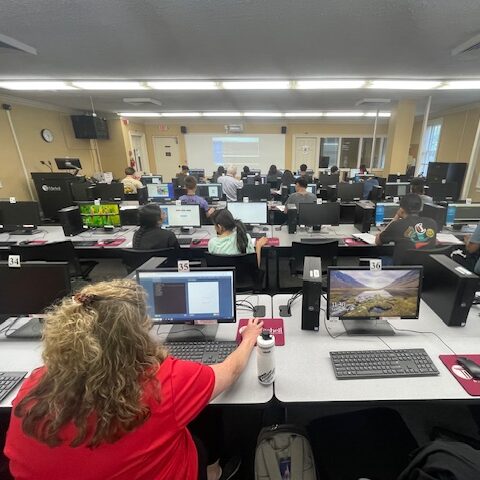
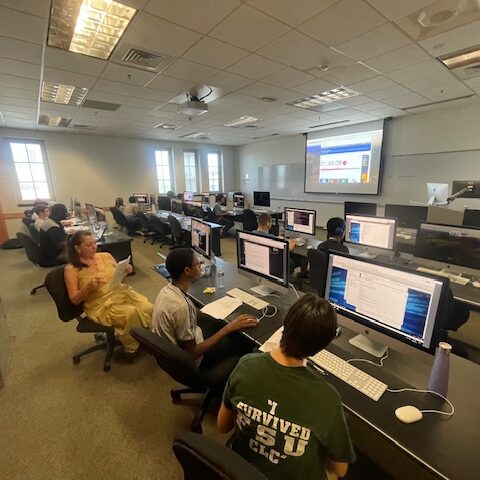
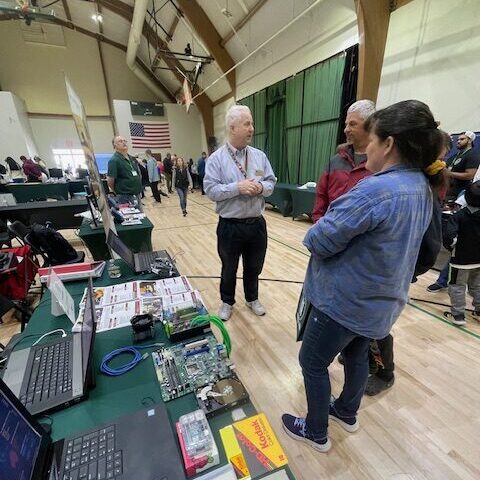
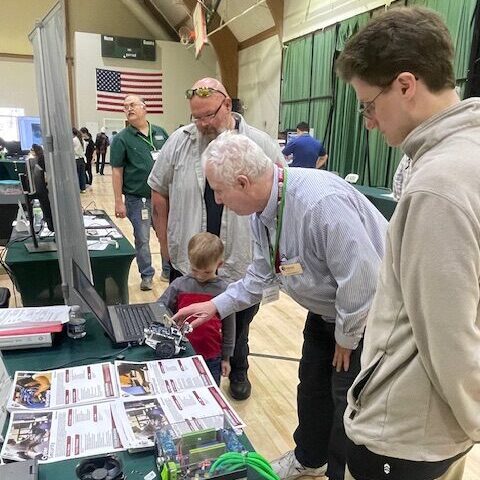
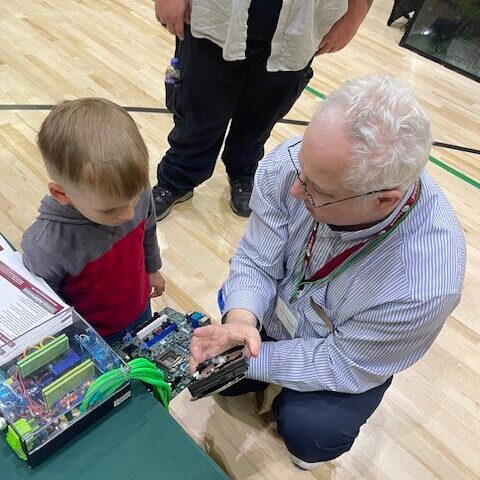
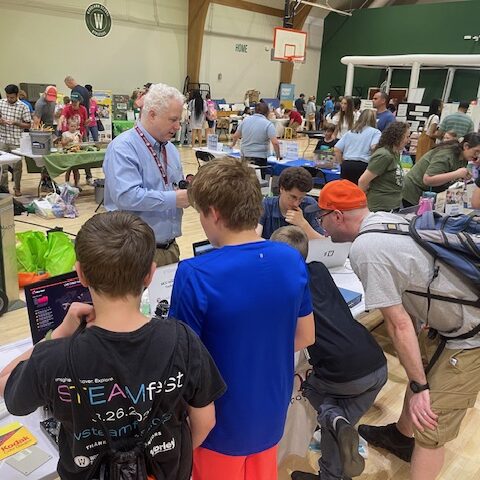
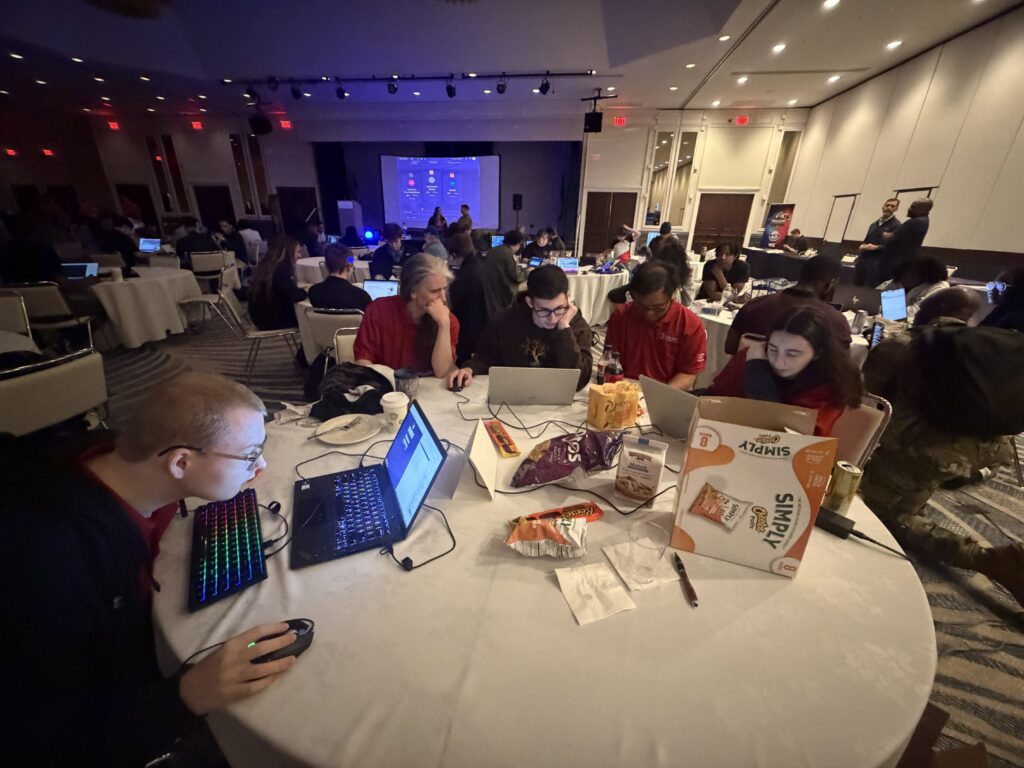
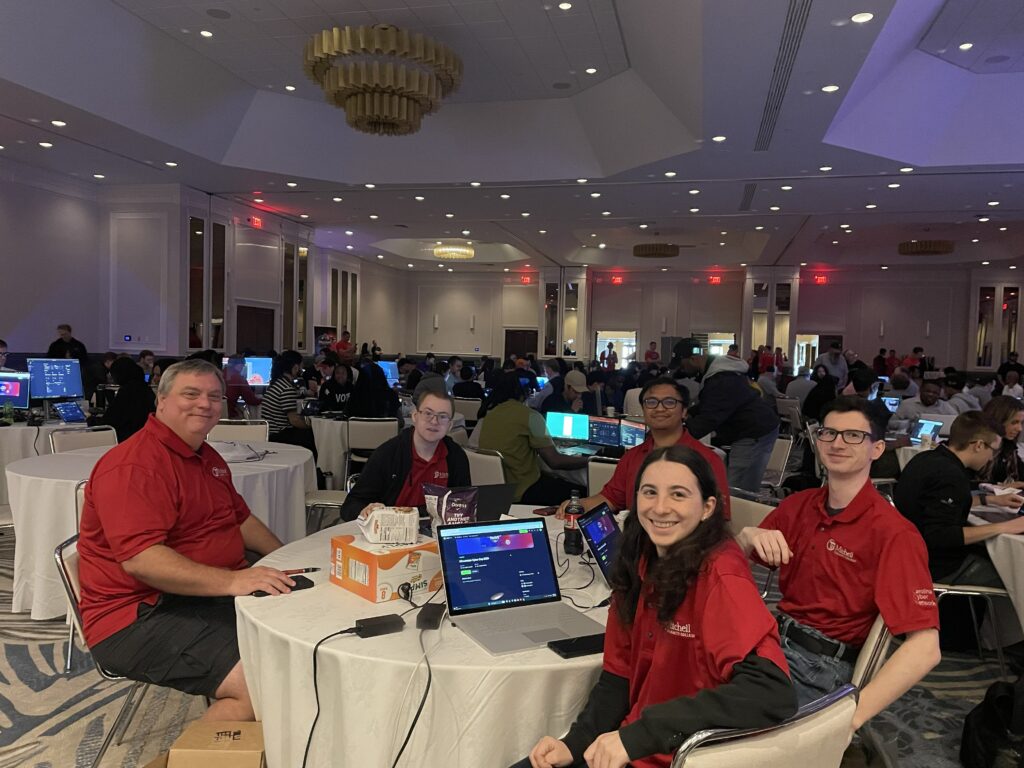
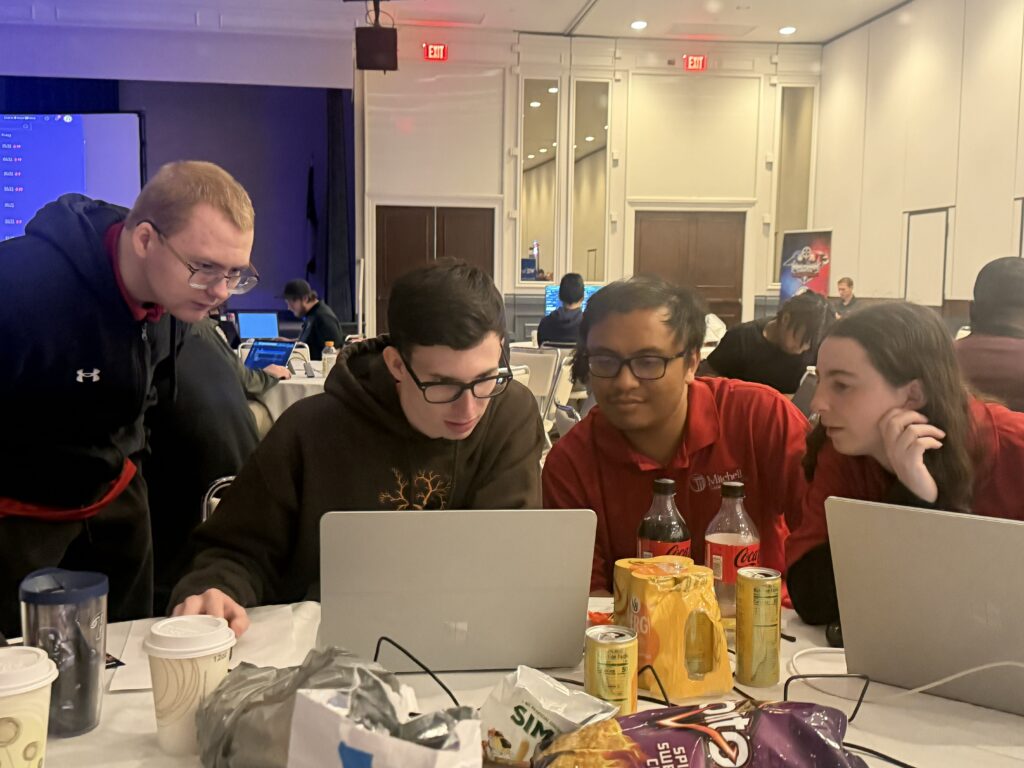
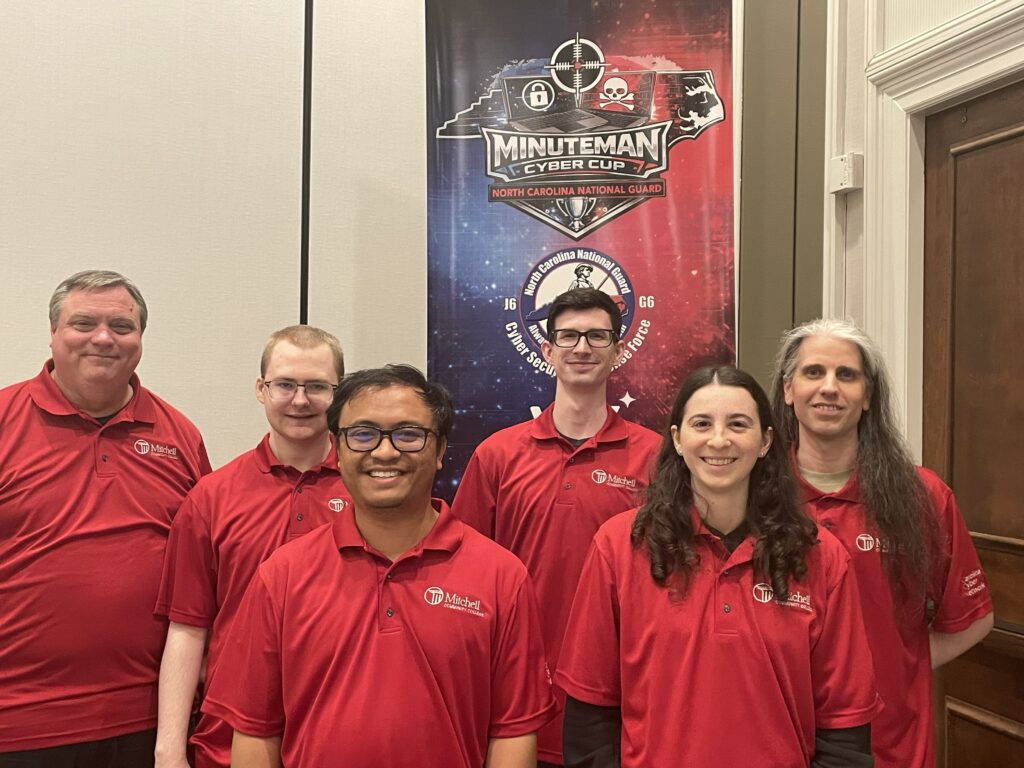
Cybersecurity isn’t just a subject — it’s an experience. Our Photos Section showcases the vibrant student life, cutting-edge lab activities, professional events, and community outreach that define the Cybersecurity Center at Mitchell Community College. Take a visual journey through the moments that matter most.
Student Submissions Welcome!
We encourage students to share their own photos from classes, competitions, and events.
- Submit via form: Upload Your Photo
- Photo release required for publication
- Student photo of the month earns Mitchell Cyber gear!
Connect with the Cybersecurity Center
Ready to take the next step in cybersecurity? Whether you’re a student interested in joining the program, a community member seeking a workshop, or an industry partner looking to collaborate, the Cybersecurity Center at Mitchell Community College is here to connect with you. Let’s build the future of cybersecurity—together.
Ways to Get Involved
🎓 For Students
- Join the IT Club and compete in CTFs and CyberPatriot
- Become a Cyber Ambassador for outreach events
- Volunteer to mentor high school students or lead a workshop
- Submit a proposal for a student research project or capstone
🧑🏫 For Educators
- Collaborate on curriculum
- Host guest lectures or classroom demos
- Connect with our faculty for faculty development events
🏢 For Employers & Partners
- Offer internships or job shadowing experiences
- Participate in the Cybersecurity Advisory Board
- Sponsor a competition or scholarship
- Co-host cybersecurity awareness events
Mitchell Community College
219 N. Academy Street
Mooresville, NC 28115
Tice Building, Room 207